Introduction to Chain Grades
Industrial chains come in various grades, each designed to withstand different levels of stress and serve specific purposes. Chain grades are categorized based on their tensile strength, which is crucial for determining their suitability for different applications. This article explores the properties of different chain grades, focusing particularly on G30 chains, including their features and common applications.
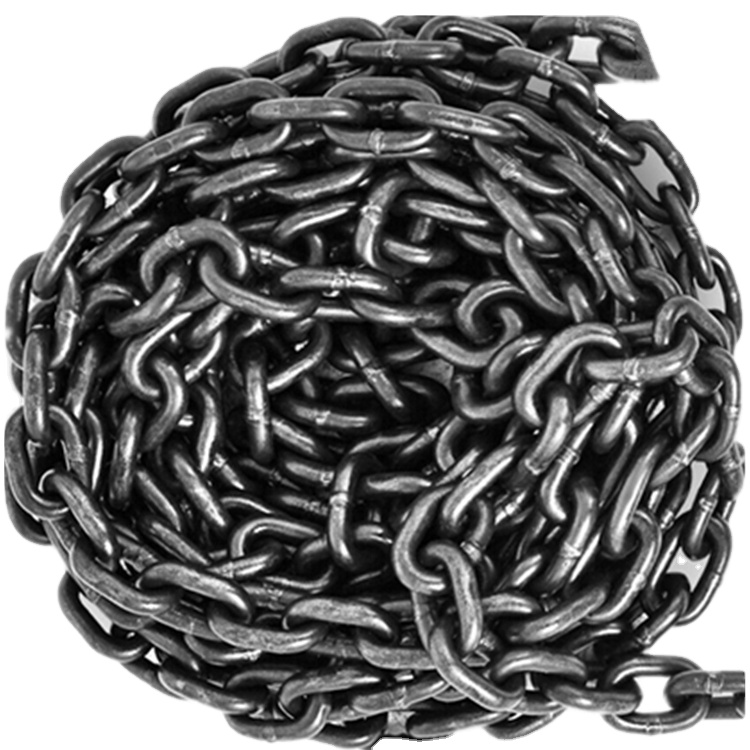
What Are G30 Chains?
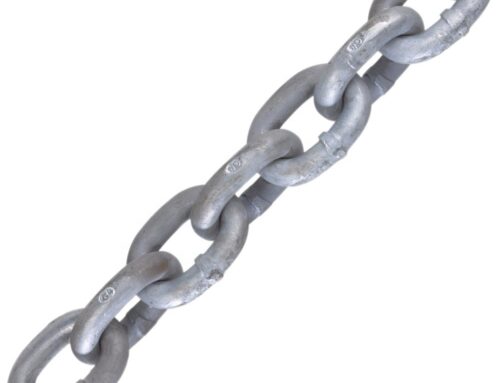
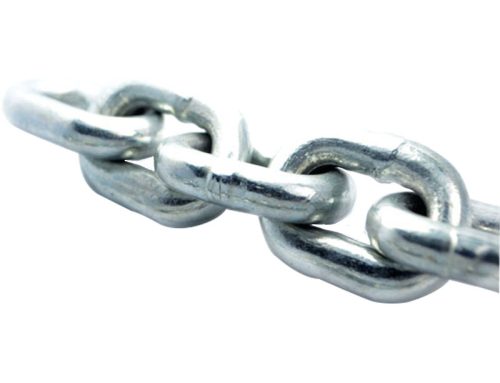
G30 chains, also known as proof coil chains, are classified by their grade, which indicates their tensile strength and maximum stress capacity. Among the various chain grades like G43, G70, G80, G100, and G120, G30 chains are at the lower end in terms of strength. Despite this, G30 chains offer several distinctive features and find specific applications in industrial settings.
Features of G30 Chains:
Material Composition: G30 chains are typically made from low-carbon steel. This composition provides moderate strength while ensuring resistance to rust and corrosion.
Tensile Strength: Compared to higher-grade chains like G70 or G80, G30 chains have lower tensile strength. They are not suitable for overhead lifting applications due to their lower maximum stress capacity.
Malleability: G30 chains are relatively malleable, making them suitable for applications where flexibility is required.
Common Applications for G30 Chains
Despite not being rated for overhead lifting, G30 chains find widespread use across various industries due to their specific properties and affordability.
1. Agricultural Applications:
Farmers often use G30 chains for pulling agricultural machinery behind tractors. These chains are robust enough to handle the stress of towing equipment across fields and rugged terrains.
2. Load Securing in Transportation:
G30 chains are commonly employed to secure loads on trucks and trailers during transportation. In industries such as logging, these chains play a vital role in securing heavy logs for safe transit.
3. General Pulling Applications:
Due to their moderate strength and rust-resistant properties, G30 chains are also utilized in general pulling applications where heavy loads need to be moved or anchored securely.
Properties of Different Chain Grades
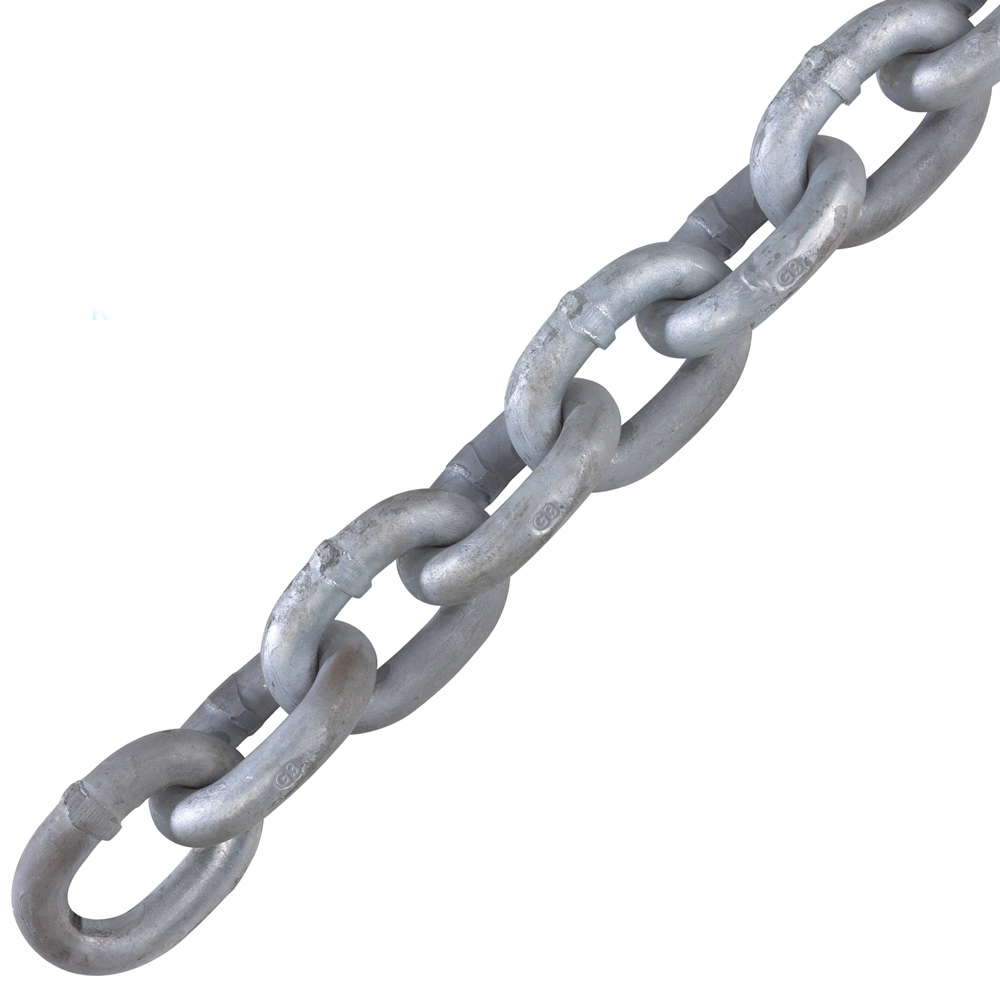
In addition to G30 chains, several other chain grades exist, each tailored for specific industrial applications based on their material composition and tensile strength.
1. G43 Chains:
Known as High Test chains, G43 chains are stronger than G30 chains and are commonly used in applications such as load binding in trucking and marine environments.
2. G70 Chains:
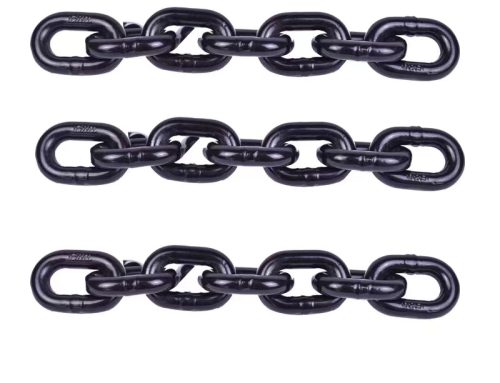
G70 chains are high-strength chains suitable for towing and securing heavy cargo in transportation and construction industries. They offer superior tensile strength compared to lower-grade chains like G30.
3. G80, G100, and G120 Chains:
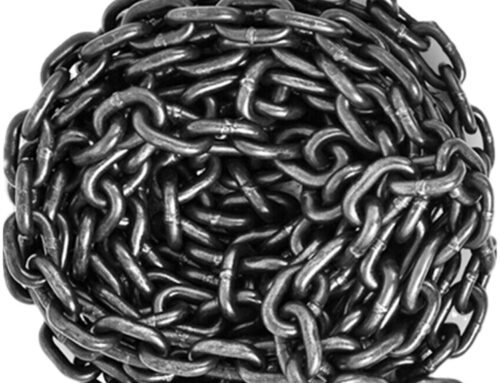
These chain grades represent even higher levels of tensile strength and durability, making them suitable for demanding applications such as overhead lifting in construction and rigging operations.
Understanding the properties of different chain grades is essential for selecting the appropriate chain for specific industrial applications. While G30 chains offer moderate strength and corrosion resistance, they are not suitable for overhead lifting but excel in applications such as agricultural machinery towing and load securing in transportation. For tasks requiring higher tensile strength and durability, higher-grade chains like G70, G80, G100, and G120 are preferred choices. By matching the chain grade to the application requirements, industries can ensure safety, efficiency, and reliability in their operations.