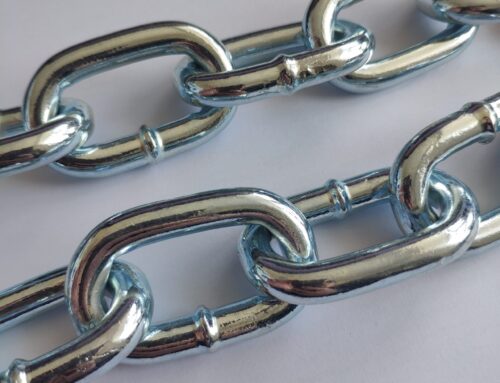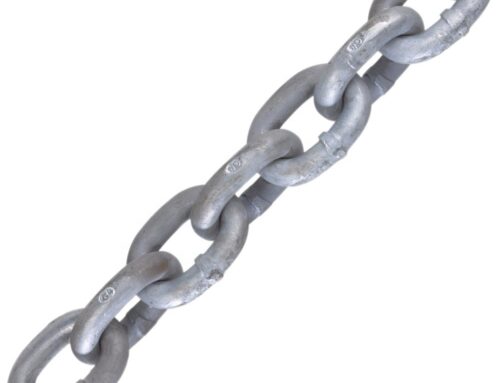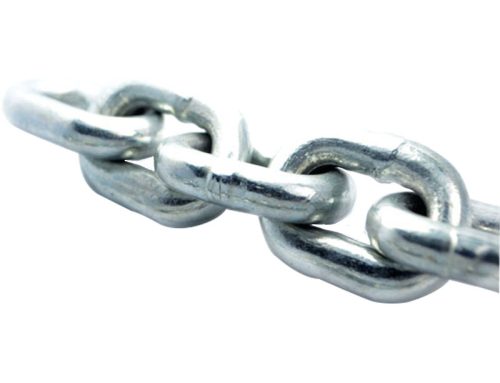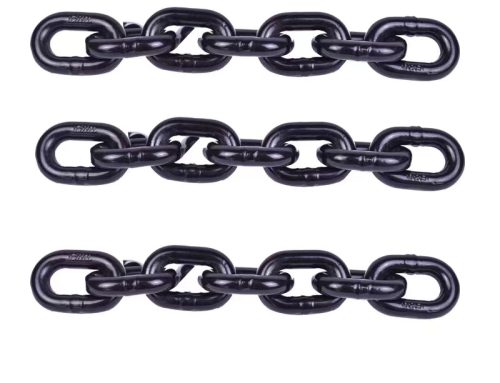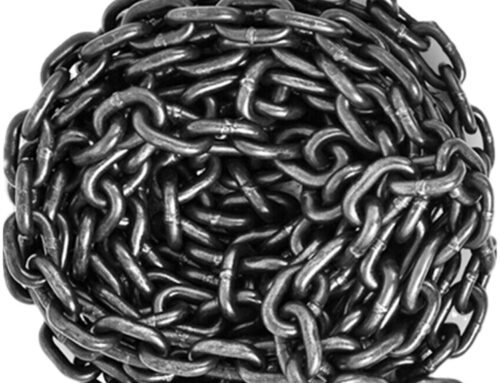
When selecting industrial chains for various applications, it’s crucial to understand the differences between chain grades to ensure safety and efficiency. Among the most commonly used grades are G43 and G70 chains. Both are designed to handle heavy loads, but they have distinct characteristics and uses. This article delves into the specifics of G43 and G70 chains, highlighting their features, applications, and key differences.
What Is a G43 Chain?
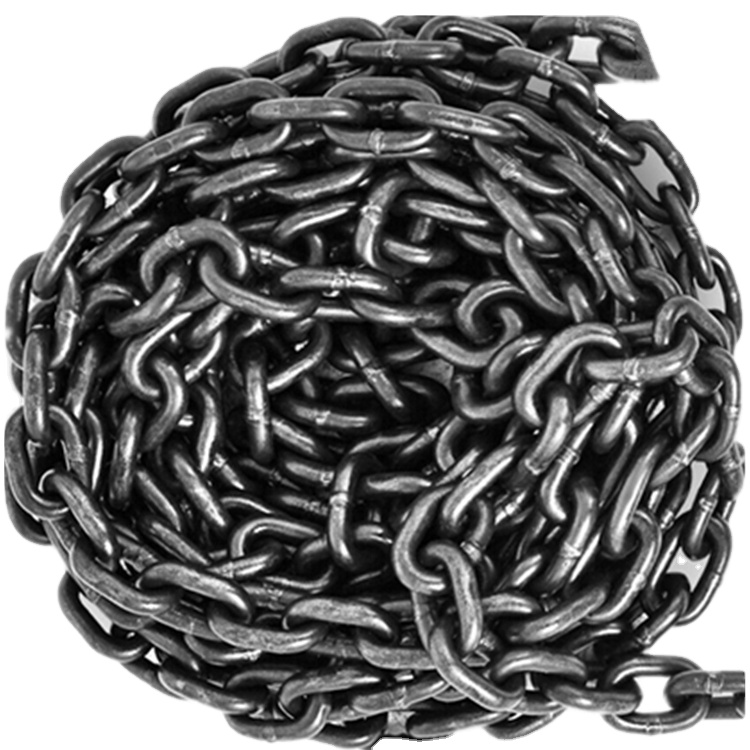
A G43 chain, also known as a High Test chain, is designed for medium-load applications. These chains are made from high-carbon steel, which provides them with enhanced strength and durability compared to lower-grade chains. G43 chains are heat-treated to further improve their tensile strength, making them suitable for more demanding tasks.
Applications of G43 Chains:
Load Binding: G43 chains are commonly used for securing loads on trucks and trailers, adhering to Department of Transportation regulations.
Marine Uses: These chains are often employed in anchoring and mooring applications due to their strength and resistance to harsh marine environments.
Logging: In the forestry industry, G43 chains are used for dragging and securing logs.
Features of G43 Chains:
Material: High-carbon steel.
Heat Treatment: Provides additional strength and durability.
Tensile Strength: Higher than G30 chains, suitable for medium-load tasks.
Applications: Load binding, marine, and logging.
What Is a G70 Chain?
A step above the G43, the G70 chain, often referred to as a Transport chain, is designed for heavy-duty applications. These chains are made from even higher carbon steel and are heat-treated for maximum strength. G70 chains are known for their high tensile strength and working load limits, making them one of the strongest chains available for industrial use.
Applications of G70 Chains:
Towing: G70 chains are widely used in the transportation industry for securing heavy loads and towing vehicles.
Construction: These chains are ideal for heavy-duty lifting and securing construction materials and equipment.
Agriculture: In the agricultural sector, G70 chains are used for securing and pulling heavy machinery and equipment.
Features of G70 Chains:
Material: High-carbon steel with a higher carbon content than G43 chains.
Heat Treatment: Ensures maximum strength and durability.
Tensile Strength: Extremely high, making it suitable for heavy-duty applications.
Applications: Towing, construction, and agriculture.
Differences Between G43 and G70 Chains
While both G43 and G70 chains are made from high-carbon steel and are heat-treated, there are several key differences between the two:
1. Tensile Strength:
G43 Chains: Designed for medium-load applications, G43 chains have a significant tensile strength but are not as strong as G70 chains.
G70 Chains: These chains have a higher tensile strength, making them suitable for the heaviest and most demanding tasks.
2. Working Load Limit:
G43 Chains: The working load limit of G43 chains is lower than that of G70 chains, making them ideal for medium-duty applications.
G70 Chains: G70 chains boast the highest working load limits among common chain grades, with some capable of handling over 5,000 pounds.
3. Material Composition:
G43 Chains: Made from high-carbon steel, providing good strength and durability.
G70 Chains: Made from higher carbon steel than G43 chains, offering superior strength and performance.
4. Applications:
G43 Chains: Typically used in load binding, marine applications, and logging.
G70 Chains: Primarily used in towing, construction, and agriculture due to their superior strength.
5. Identification and Markings:
G43 Chains: Often marked with “G43” to indicate their grade, making it easier to identify their suitability for specific tasks.
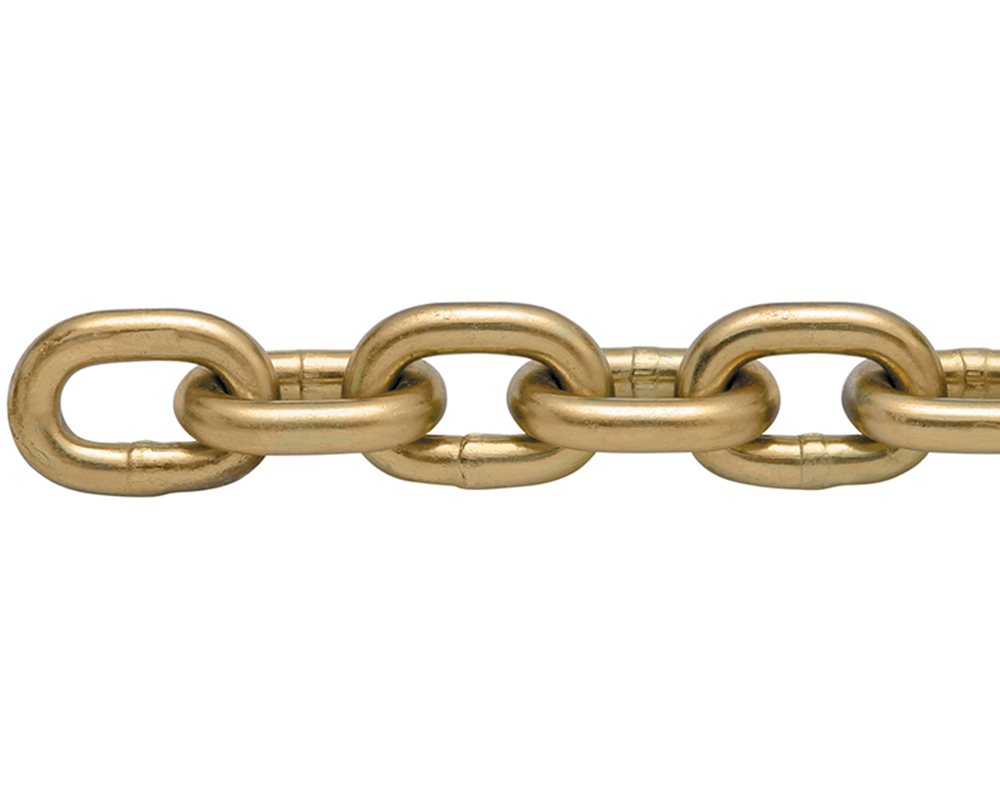
G70 Chains: Marked with “G70” and often have a yellow chromate coating for better visibility and corrosion resistance.
Understanding the differences between G43 and G70 chains is essential for choosing the right chain for your specific needs. G43 chains, with their robust construction and medium-load capacity, are ideal for load binding, marine, and logging applications. In contrast, G70 chains, with their superior tensile strength and higher working load limits, are best suited for towing, construction, and heavy-duty agricultural tasks. By selecting the appropriate chain grade, you can ensure safety, efficiency, and reliability in your industrial operations.