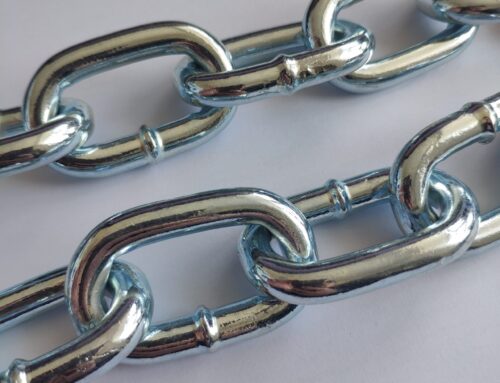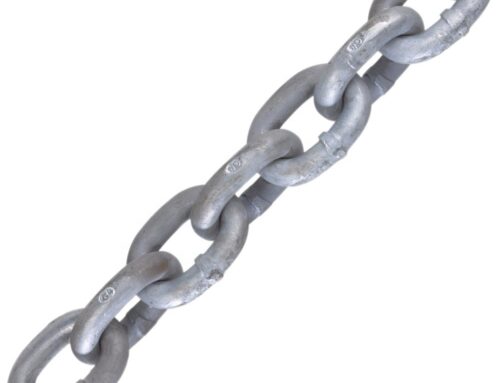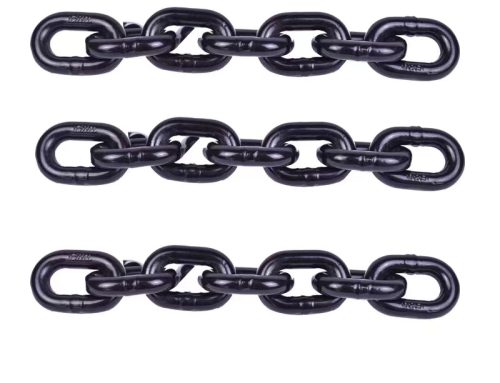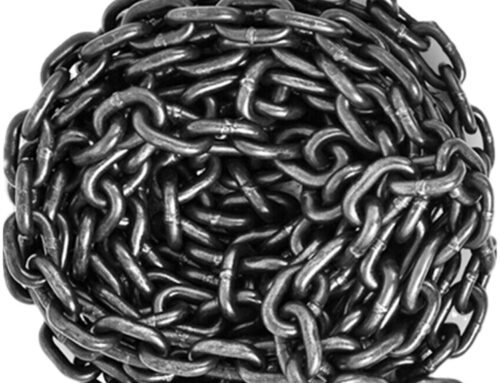
Chains used in rigging and lifting applications are classified into various grades, each designed for specific uses and environments. The grade of a chain is determined by factors such as material composition, tensile strength, and heat treatment. Understanding these grades is crucial for selecting the right chain for your needs and ensuring safe and efficient operations. This article explores the different chain grades, their common uses, and the benefits they offer.
What is Chain Grade?
A chain grade is a classification that indicates the strength and durability of the chain based on its material and manufacturing process. The grade reflects the chain’s ability to handle certain loads and stresses, making it an essential factor in choosing the right chain for lifting, rigging, and securing loads. Each grade has specific characteristics that determine its suitability for various applications.
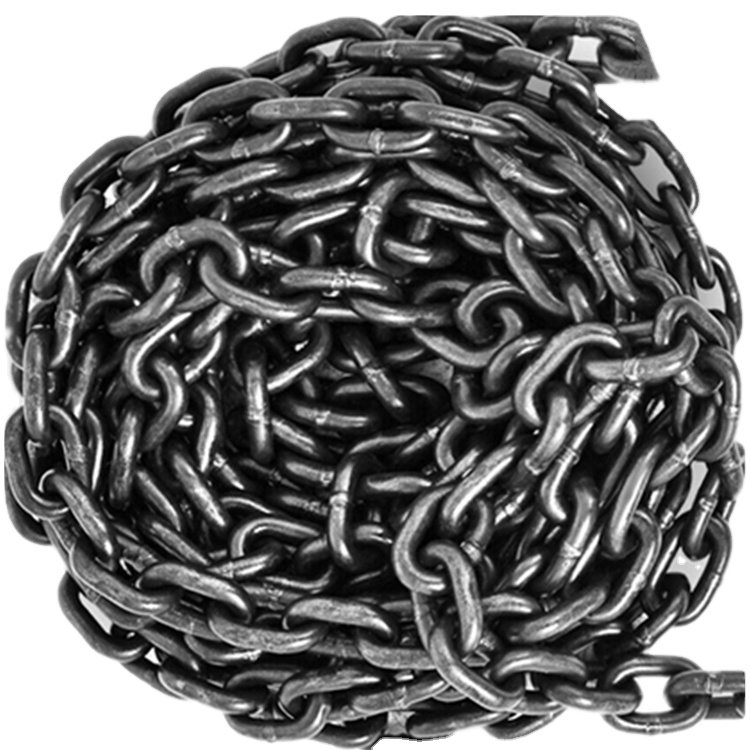
There are several common chain grades used in the industry, each with unique properties and intended uses. Here are the most prevalent chain grades:
Grade 30 Chain:
Description: The most basic and budget-friendly option, typically made from carbon steel and not heat-treated.
Uses: General-purpose lifting and towing applications, such as securing light loads on trailers or serving as barrier chains.
Grade 43 Chain:
Description: Also known as High Test Chain, it is a mid-level option with higher tensile strength due to heat treatment.
Uses: Load binding, logging, and marine applications where increased strength is required.
Grade 70 Chain:
Description: Often referred to as Transport Chain, it is made from heat-treated carbon steel and offers a higher working load limit (WLL) than Grade 43.
Uses: Commonly used in the trucking and transportation industry for securing heavy cargo.
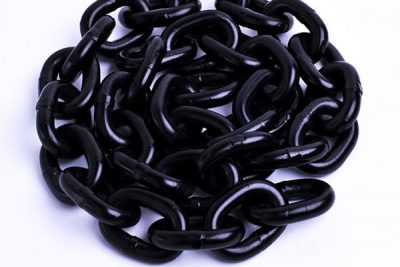
Grade 80 Chain:
Description: A high-strength alloy steel chain that is heat-treated for increased strength and resistance to wear and abrasion.
Uses: Suitable for overhead lifting, rigging, and construction due to its high WLL.
Grade 100 Chain:
Description: Known for its exceptional strength and durability, it is the highest grade readily available for critical lifting and rigging applications.
Uses: Critical applications in industries like oil and gas, where safety and reliability are paramount.
Grade 120 Chain:
Description: An ultra-high-strength chain designed for the most demanding and heavy-duty lifting and rigging applications.
Uses: Heavy machinery lifting, offshore and marine applications, oil and gas industry, mining operations, aerospace, and infrastructure construction.
Understanding and using the appropriate chain grade for your application offers several benefits:
Enhanced Safety:
Using the correct chain grade ensures that the lifting equipment can handle the specified load without risk of failure, significantly enhancing safety during operations.
Increased Efficiency:
Chains with higher grades (such as Grade 80, 100, and 120) provide superior strength and durability, allowing for efficient lifting and rigging of heavy loads without frequent replacements or repairs.
Versatility:
Different chain grades cater to various applications, from light-duty securing tasks with Grade 30 to critical lifting operations with Grade 100 and 120. This versatility allows for tailored solutions to specific needs.
Durability and Longevity:
Higher-grade chains are typically heat-treated and made from alloy steel, offering excellent resistance to wear, abrasion, and harsh environmental conditions, leading to a longer service life.
Cost-Effectiveness:
Investing in the appropriate chain grade reduces the risk of equipment failure and downtime, ultimately saving costs associated with accidents, repairs, and replacements.
Common Problems and Misuse of Chain Grades
While using the correct chain grade is beneficial, common problems often arise from a lack of understanding and misuse. Here are some prevalent issues:
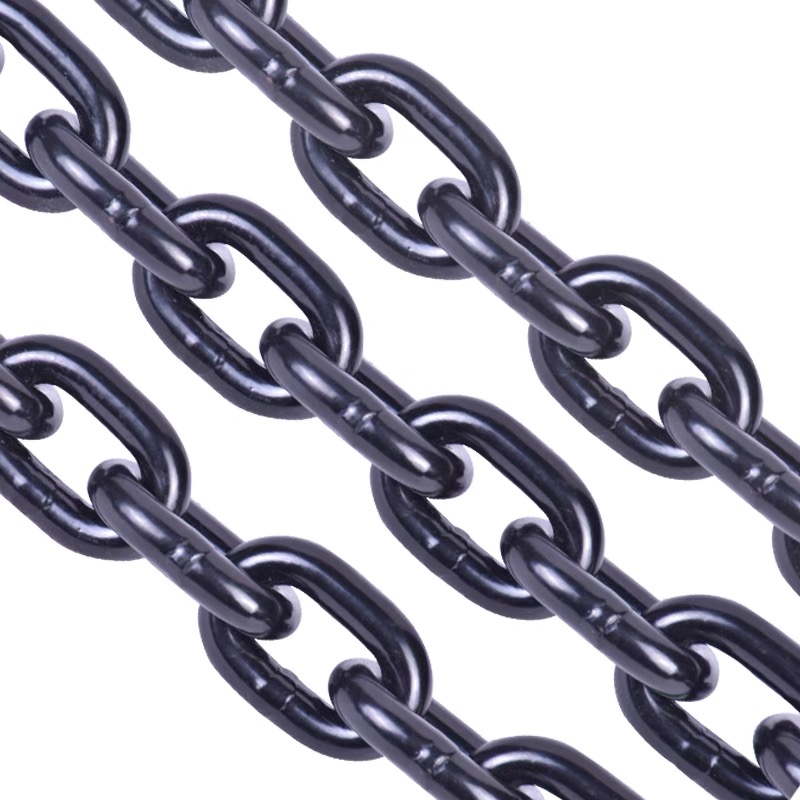
Undersized Chains:
Choosing a chain with a WLL that is too low for the task can result in overloading and potential accidents. Always consult load charts and guidelines to select the appropriate chain grade.
Improper Storage:
Chains are susceptible to rust and corrosion if left exposed to the elements. Proper storage in a dry and clean environment extends the chain’s lifespan.
Inadequate Inspection:
Neglecting routine inspections can lead to missed signs of wear and damage. Regular inspections for deformation, cracks, and elongation are essential.
Mixing Chain Grades:
Using different chain grades within the same rigging setup can cause uneven stress distribution, potentially leading to failure. Ensure chains of the same grade and size are used in assemblies.
Lack of Lubrication:
Chains that are not properly lubricated experience increased friction and wear. Applying the right lubrication helps prolong the chain’s life and maintain efficiency.
Understanding chain grades is crucial for ensuring safety and performance in rigging and lifting operations. By selecting the appropriate chain grade and adhering to proper usage and maintenance practices, you can achieve efficient and secure lifting operations. Whether securing light loads or performing heavy lifting, choosing the right chain grade makes all the difference in maintaining a safe and effective operation.
 Understanding Chain Grades Types, Applications, and Benefits